For many backyard chicken keepers, the initial goal is simple: fresh eggs. This pursuit usually leads to a coop full of hens, while the idea of adding a rooster is often dismissed due to concerns about noise or aggression. However, viewing a rooster merely as a loud alarm clock is a significant oversight. In reality, a rooster is the CEO, security guard, and social coordinator of the flock. Adding a “gentleman” to your ladies transforms a collection of birds into a cohesive, protected, and naturally functioning community.
The Ultimate Security System
The most compelling argument for keeping a rooster is predator protection. In the eyes of a hawk, fox, or neighborhood stray dog, a group of hens is a buffet of easy targets. Hens are often focused on the ground, scratching for bugs with their heads down. A rooster, however, spends the vast majority of his day with his head up, scanning the sky and the perimeter.
When a threat appears, the rooster doesn’t just run; he sounds a specific alarm call that sends the hens scurrying for cover. If a predator does manage to close the distance, a good rooster will put himself between the danger and his flock. While he may be smaller than many predators, his spurs and sheer bravado can provide the critical seconds needed for the hens to escape. He is the only member of the flock willing to fight to the death for the safety of the others.
Order in the Pecking Order
We often use the term “pecking order” to describe social hierarchies, but in an all-female flock, this order can sometimes become chaotic or cruel. Hens can be surprisingly aggressive toward one another, leading to bullying, feather picking, and high stress levels.
A rooster acts as a natural mediator. He establishes a stable hierarchy and discourages infighting. When he sees hens bickering, he will often step in to break up the scuffle. Furthermore, he provides a sense of calm. A flock with a rooster is generally more settled and less flighty because the hens know someone else is “on watch.” This reduction in stress can actually lead to better health and more consistent egg production among the hens.
The “Tidbitting” Phenomenon
One of the most charming behaviors of a rooster is “tidbitting.” When a rooster finds a particularly delicious treat—a fat grub, a fallen piece of fruit, or a hidden patch of clover—he doesn’t eat it himself. Instead, he emits a rhythmic clucking sound and performs a little dance, picking up the food and dropping it to alert his hens. This behavior ensures that the egg-producers of the flock get the best nutrition. By prioritizing the hens’ caloric intake over his own, the rooster serves as a provider, ensuring the long-term viability of the group. Watching this interaction offers a fascinating glimpse into the complex social intelligence of poultry that you simply won’t see in an all-hen flock.
The Circle of Life: Sustainability
If you ever want to be truly self-sufficient, a rooster is a necessity. Without a rooster, your flock is a “terminal” one; once your hens age out of their laying years, you must buy new chicks from a hatchery to replace them. With a rooster, your flock becomes a renewable resource. Fertile eggs allow you to hatch your own chicks, either by using an incubator or by allowing a “broody” hen to sit on a clutch. There is a profound sense of satisfaction in watching a mother hen raise chicks that were sired by your own rooster, creating a closed loop of life on your property.
Personality and Aesthetics
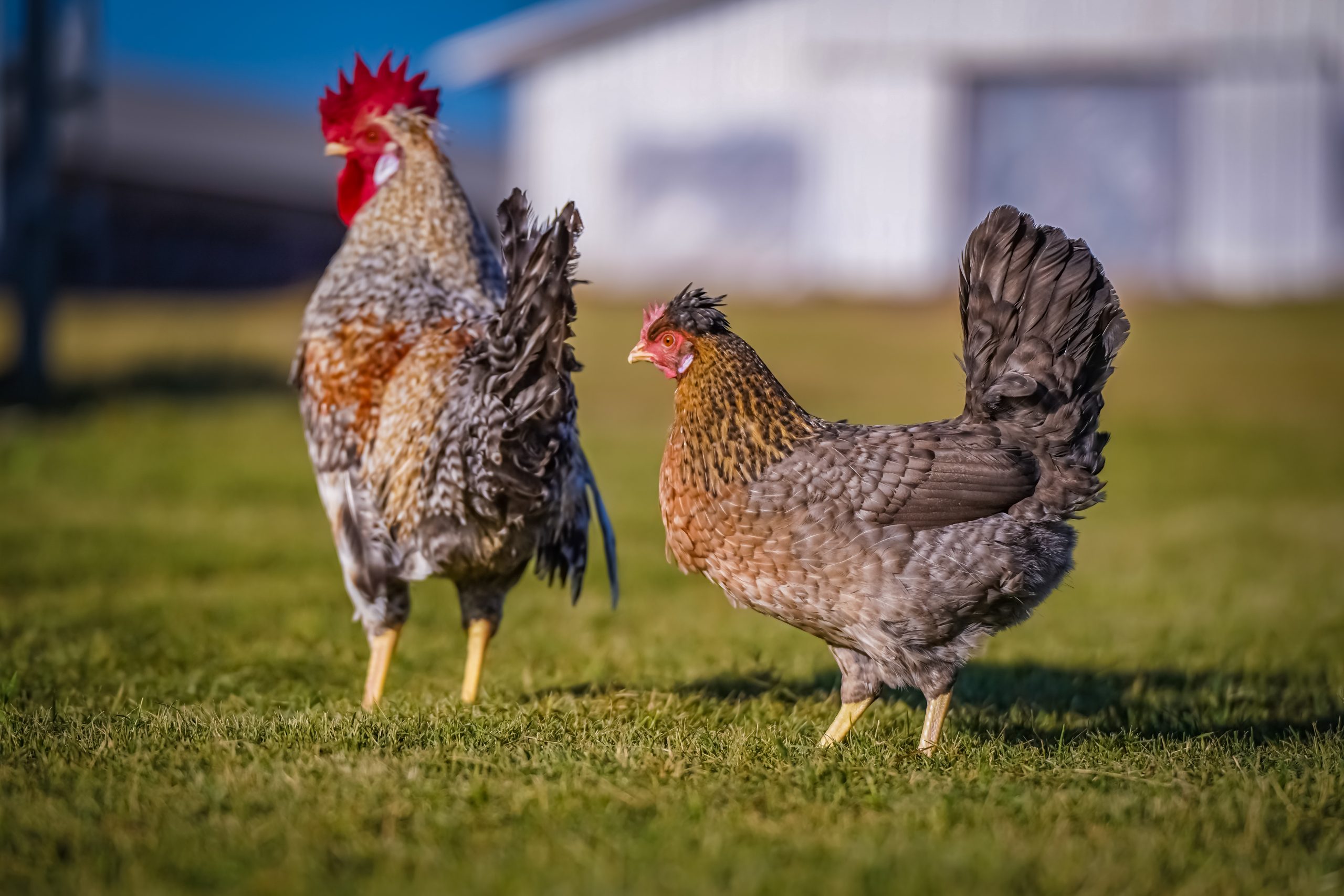
Beyond the practical benefits, roosters are often the most beautiful birds in the yard. Their iridescent sickle feathers, large upright combs, and statuesque posture bring a touch of farmyard “pantry” chic that hens—as lovely as they are—can’t quite match. Many owners also find that roosters have the biggest personalities. While they require firm and respectful handling to ensure they remain friendly toward humans, a well-socialized rooster can be a loyal companion. They are curious, vocal, and deeply engaged with their environment.