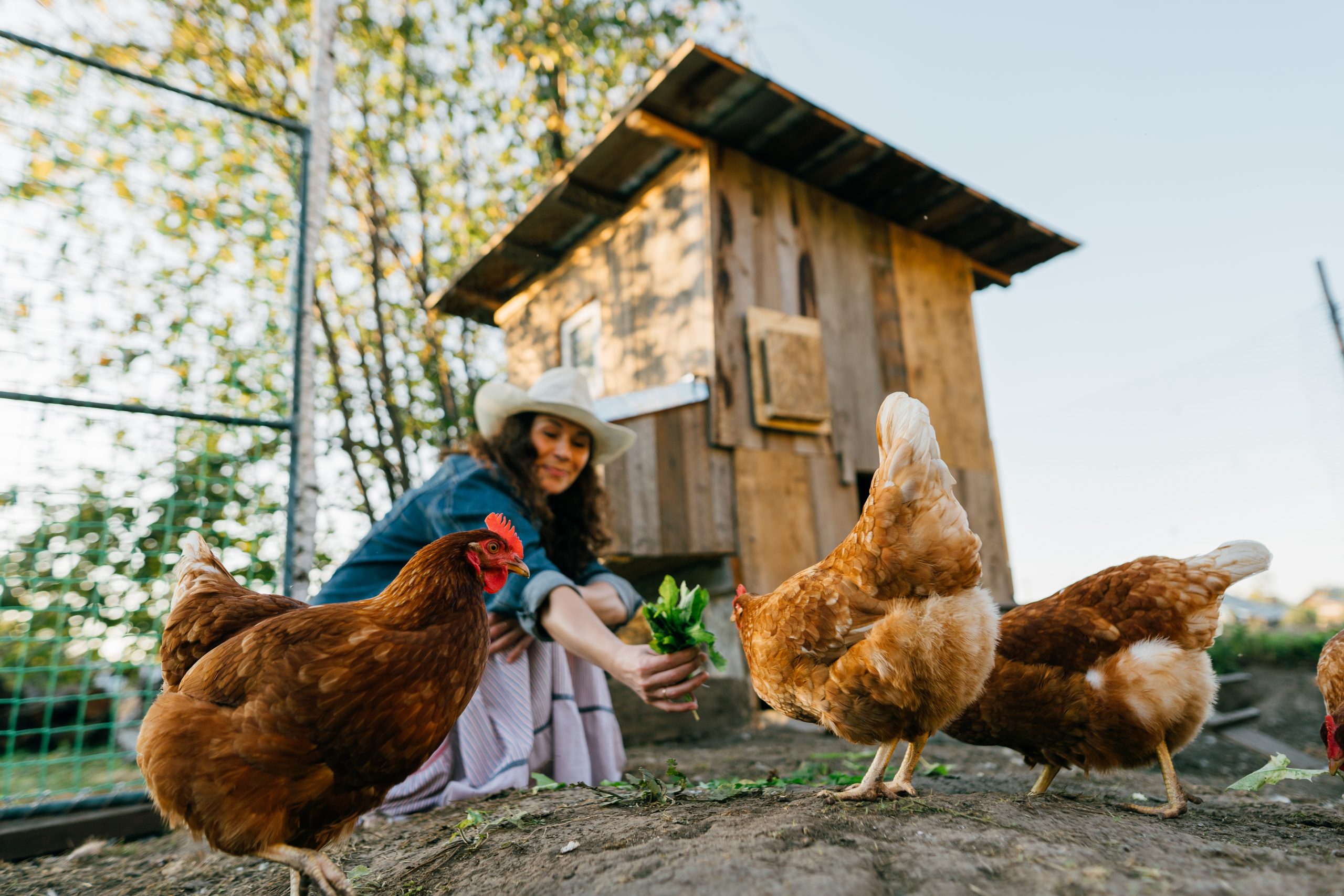
One of the greatest joys of keeping chickens is watching them transform kitchen scraps into breakfast. They are nature’s ultimate recyclers, tackling everything from watermelon rinds to stale bread with prehistoric enthusiasm. However, the common misconception that chickens are “feathered garbage disposals” can lead to dangerous, or even fatal, mistakes. To maintain a healthy flock and high-quality egg production, every poultry keeper must recognize that some common human foods are toxic to avian physiology.
The Fatal Favorites: Avocado and Chocolate
The Nightshade Trap
Chickens often enjoy roaming through a garden, but they must be steered away from nightshade plants. This family includes tomatoes, white potatoes, and eggplants. While the ripe fruit of a tomato is generally safe, the leaves, stems, and green skins contain solanine, a natural pesticide that is toxic to birds. Specifically, you should never feed chickens raw potato peels or green potatoes. Cooking can reduce solanine levels, but it is rarely worth the risk. If you are cleaning out the pantry, ensure any sprouted or green-tinged tubers go into the compost bin, not the chicken run.
Pantry Perils: Salt, Sugar, and Dried Beans
Chickens have not evolved to process the highly processed diet of modern humans. Excessive Salt: A chicken’s kidneys are not designed to handle high sodium. Feeding them salty crackers, chips, or processed meats can lead to salt poisoning or kidney failure. Dry Beans: This is a lesser-known but critical danger. Raw or dried beans contain phytohaemagglutinin (hemagglutinin), which is a natural insecticide that is lethal to birds. Even a few raw kidney beans can kill a hen within hours. Beans must be thoroughly soaked and boiled to be safe. Onions and Garlic: While small amounts of garlic are often used as a natural dewormer, large quantities of onions contain thiosulphate, which can destroy red blood cells, leading to jaundice or anemia. Additionally, heavy consumption of these aromatics can unpleasantly flavor the eggs.
The Mold Factor